
Introduction: Why Nature Means So Much to Me
Some of my happiest childhood memories were spent outdoors. I remeber climbing trees in my neighborhood, watching butterflies flutter across gardens, and enjoying long walks in parks with my family. Nature was more than just a place to play—it was a source of peace, curiosity, and connection.
As I have grown older, my appreciation for nature has only deepened. Spending time outdoors helps me recharge, reflect, and feel connected to something bigger than myself. However, it has also made me increasingly aware of the environmental challenges our planet faces today.
As parents and caregivers, many of us share a common concern: What kind of world will our children inherit? Will they experience the same clean rivers, thriving forests, and diverse wildlife that we once enjoyed? These questions are becoming more urgent as environmental issues continue to affect communities worldwide.
In this article, I want to share my personal experiences with nature, discuss the top environmental challenges facing our planet, and offer practical solutions that families can adopt to help create a healthier future for the next generation.
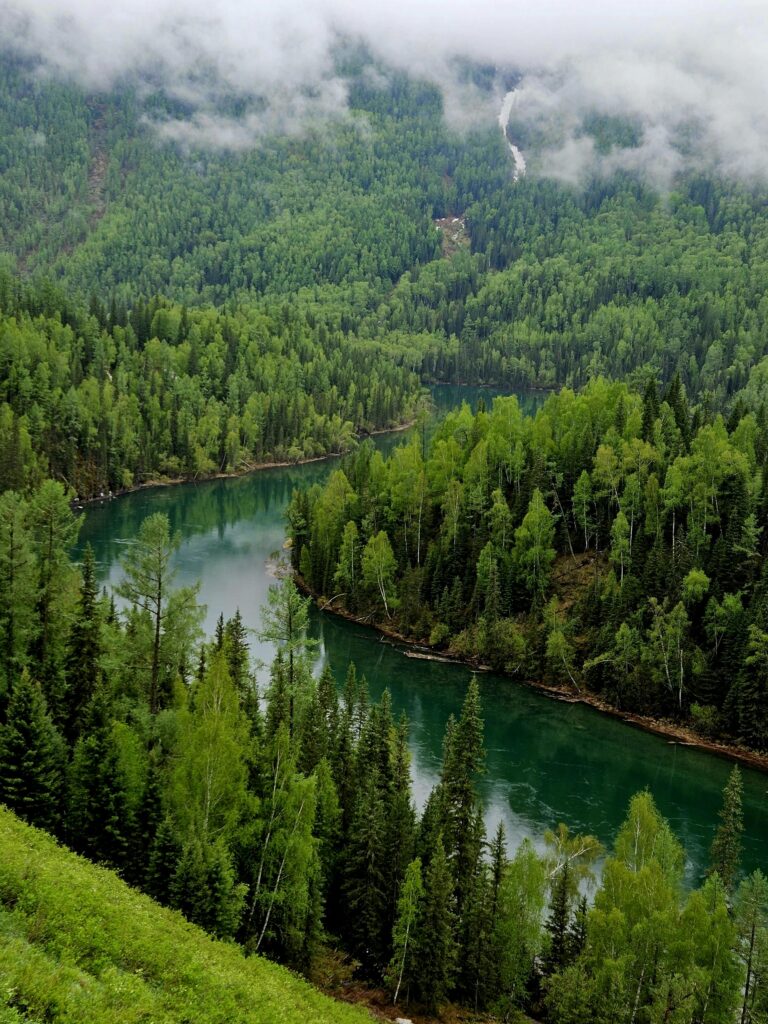
Top Environmental Challenges Facing the World Today
While there are many environmental concerns, three major challenges stand out because of their widespread impact on people, wildlife, and ecosystems.
• Climate Change
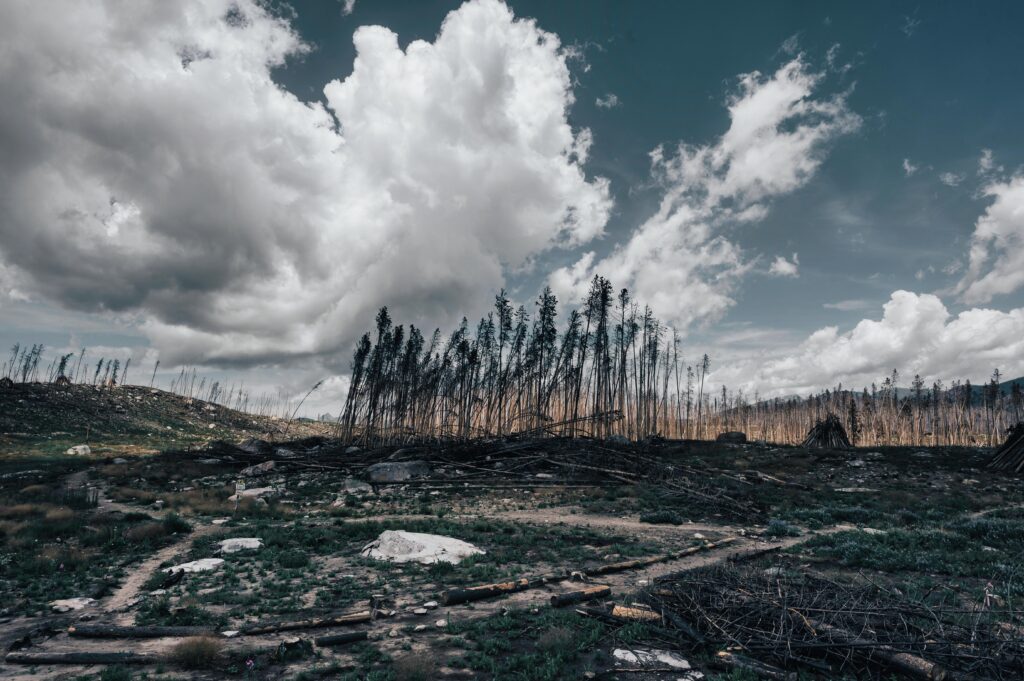
Climate change remains one of the most pressing environmental issues of our time. According to the Intergovernmental Panel on Climate Change (IPCC), global temperatures have risen significantly due to human activities, particularly the burning of fossil fuels.
Some effects of climate change include:
- More frequent heatwaves
- Stronger storms and floods
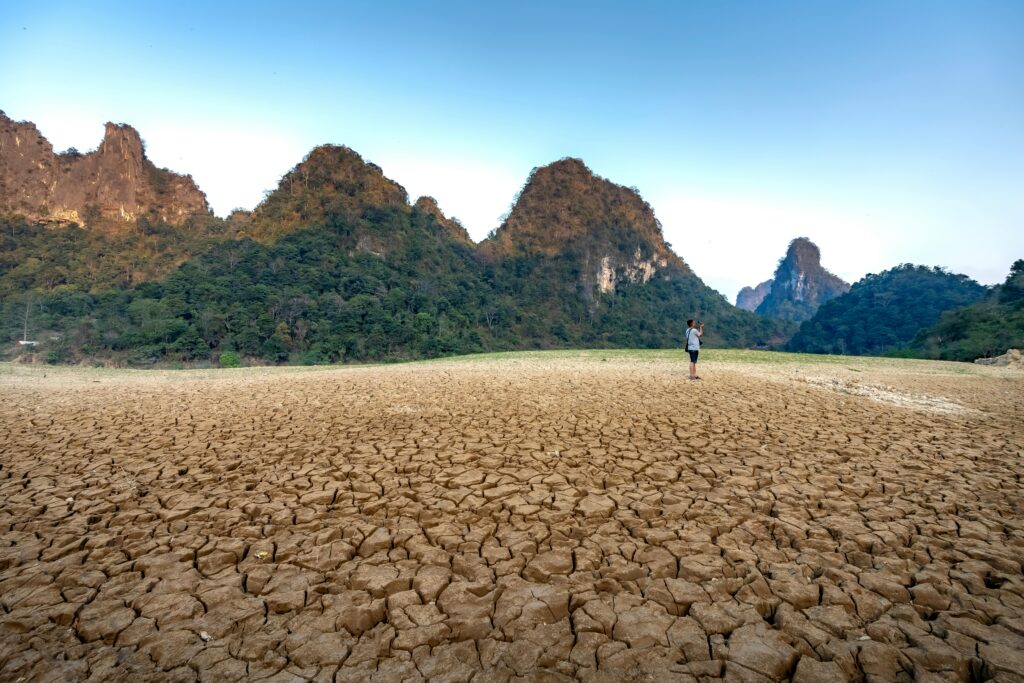
- Longer droughts
- Rising sea levels
- Increased risks to food and water supplies
These changes affect communities worldwide and will continue to shape the future our children experience.
• Pollution
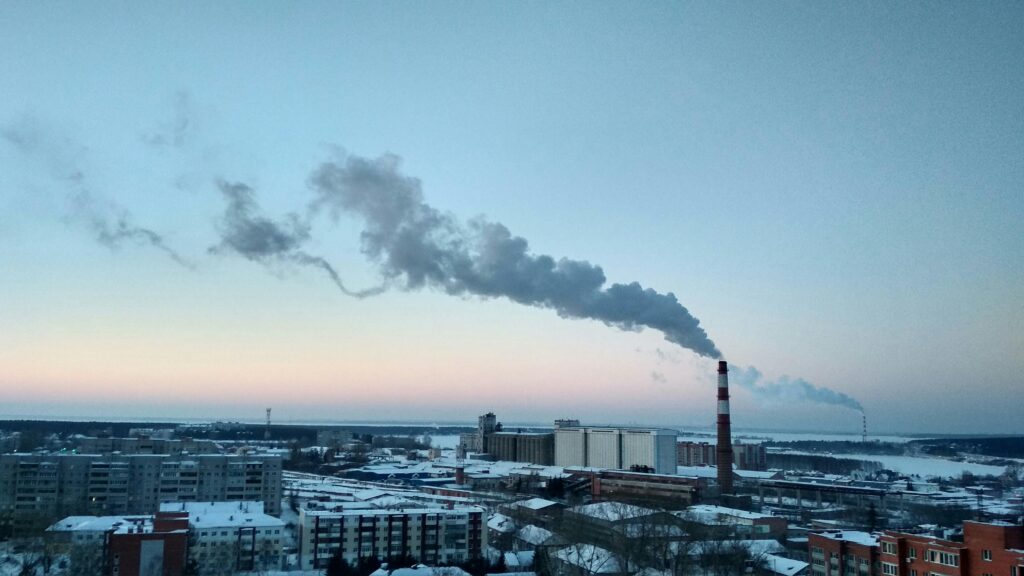
Pollution affects the air we breathe, the water we drink, and the soil that produces our food. The World Health Organization estimates that air pollution contributes to millions of premature deaths each year globally.
Common forms of pollution include:
- Plastic waste in oceans and waterways
- Air pollution from vehicles and industries
- Chemical contamination of water sources
- Excessive waste generation
Pollution not only harms human health but also threatens countless species of plants and animals.
• Biodiversity Loss
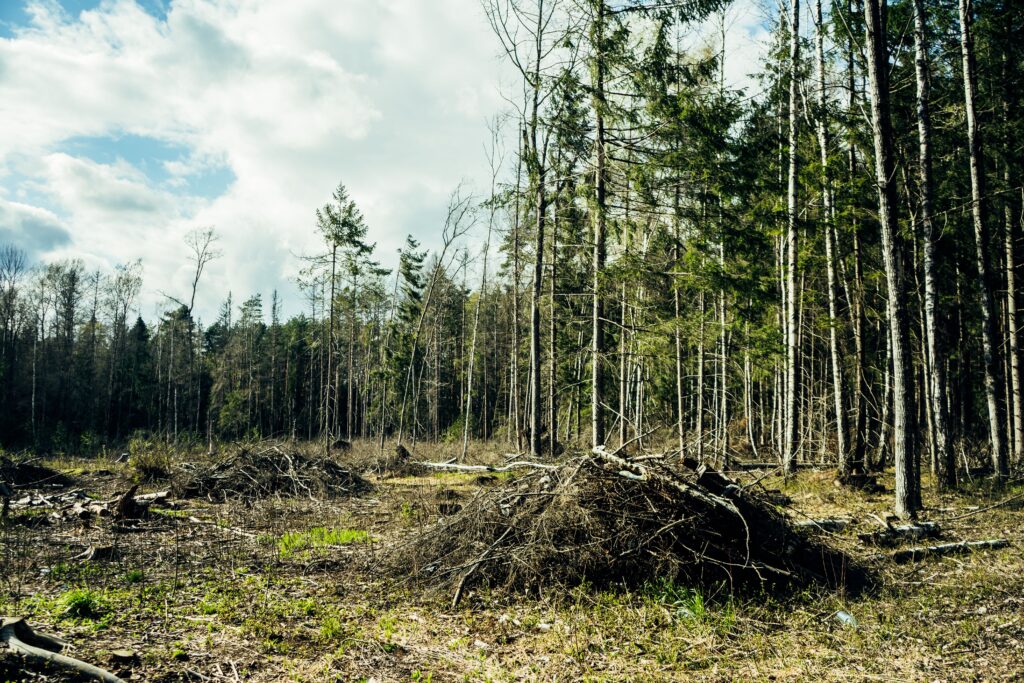
Biodiversity refers to the variety of life on Earth. Unfortunately, many species are disappearing at an alarming rate due to habitat destruction, pollution, climate change, and overexploitation of natural resources.
The loss of biodiversity can lead to:
- Weaker ecosystems
- Reduced food security
- Increased vulnerability to natural disasters
- Loss of valuable medicinal resources
Healthy ecosystems are essential for supporting life, including our own.
Personal Experiences: Witnessing Environmental Change Firsthand
My connection with nature has allowed me to observe environmental changes that once seemed distant but now feel very real.
A few years ago, I revisited a local lake that I frequently visited during my childhood. I remembered clear water, abundant birdlife, and lush vegetation along the shoreline. When I returned, I noticed litter scattered around the area and fewer birds than I remembered. The experience was disappointing and served as a reminder that environmental degradation is not something that only happens in faraway places.
Another memorable experience occurred during a family hiking trip. We explored a forest trail that was known for its rich wildlife. While the scenery was still beautiful, local guides explained how changing weather patterns had begun affecting the area’s ecosystem. Certain plants were struggling to survive, and some animal species had become less common.
Perhaps the most impactful moment came while spending time with children during an outdoor educational program. Their excitement about discovering insects, identifying birds, and learning about trees reminded me why environmental protection matters. These young minds were forming connections with nature just as I had years earlier.
That experience reinforced a simple truth: if we want future generations to appreciate and benefit from nature, we must take action today.
Practical Solutions Parents Can Adopt
The good news is that meaningful change often begins with small, consistent actions. Parents and caregivers have a powerful opportunity to shape environmentally responsible habits in children.
Here are some practical steps families can take:
• Teach Environmental Awareness Early
Children are naturally curious about the world around them.
You can:
- Visit parks and nature reserves
- Encourage outdoor exploration
- Read books about wildlife and conservation
- Discuss environmental topics in age-appropriate ways
When children understand nature, they are more likely to protect it.
• Reduce Household Waste
Small changes can significantly reduce environmental impact.
Consider:
- Using reusable water bottles
- Carrying reusable shopping bags
- Avoiding single-use plastics
- Recycling whenever possible
- Composting food waste
These habits can become lifelong practices for children.
• Conserve Energy and Water
Simple conservation efforts can make a difference.
Examples include:
- Turning off lights when leaving a room
- Using energy-efficient appliances
- Fixing leaking faucets
- Taking shorter showers
- Using natural lighting whenever possible
These actions help reduce resource consumption while teaching responsibility.
• Support Sustainable Choices
Families can contribute through their purchasing decisions.
Try to:
- Buy locally produced goods when possible
- Choose products with minimal packaging
- Support environmentally responsible companies
- Reduce unnecessary consumption
Every purchase sends a message about the values we prioritize.
• Participate in Community Activities
Community involvement can inspire both parents and children.
Activities may include:
- Tree-planting events
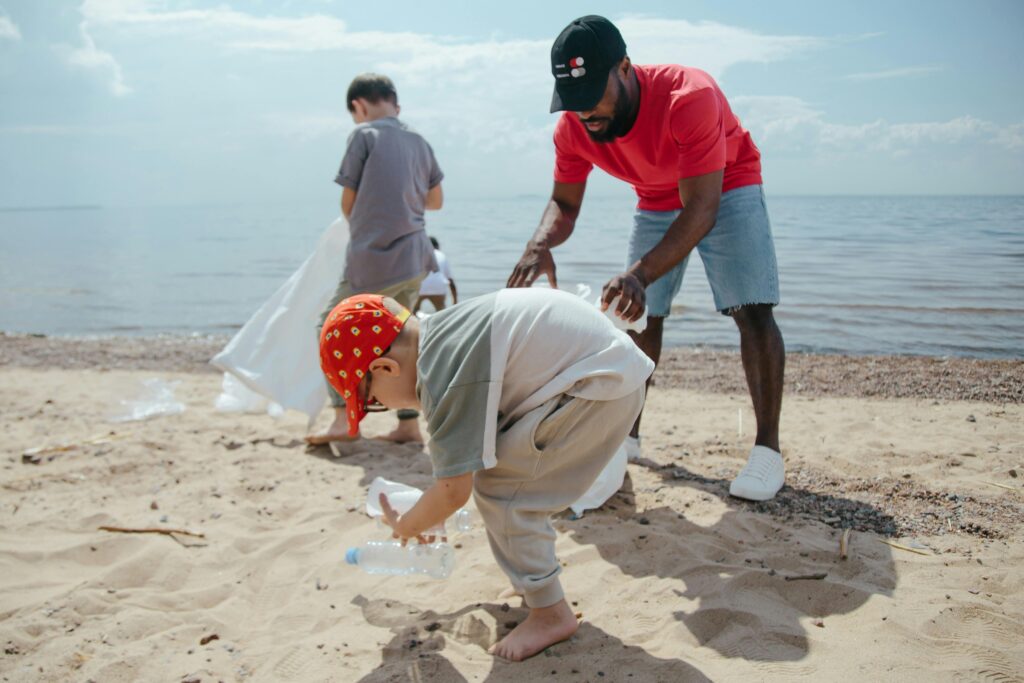
- Neighborhood cleanups
- School environmental programs
- Conservation volunteer projects
Working together strengthens communities while benefiting the environment.
• Lead by Example
Children learn more from what we do than what we say.
When they see adults recycling, conserving resources, respecting wildlife, and making sustainable choices, they are more likely to adopt those behaviors themselves.
Conclusion: Our Actions Today Shape Tomorrow
As parents and caregivers, it is natural to worry about the future. Climate change, pollution, and biodiversity loss present serious challenges, but they are not insurmountable. Each of us has the ability to contribute to positive change through everyday actions and informed choices.
My experiences in nature have taught me that the environment is both resilient and fragile. It can recover when given care and protection, but it requires our commitment. The lessons we teach our children today will influence how they care for the planet tomorrow.
I encourage you to spend time outdoors with your family, talk openly about environmental issues, and take small steps toward sustainable living. Together, we can help ensure that future generations inherit a world filled with clean air, thriving ecosystems, and the wonder of nature.
What environmental concerns matter most to you as a parent or caregiver? Share your thoughts and experiences in the comments below, and let’s continue this important conversation together.